Recent Posts

Can Halal Wagyu Still Be High Quality Wagyu?
Jan 23, 2026

Is Halal Wagyu Safe to Eat Raw? What You Should Know
Jan 23, 2026

Is A5 Wagyu Always the Best Choice?
Jan 16, 2026

Australian Halal Wagyu vs Japanese Wagyu
Jan 16, 2026

Which Wagyu Is Best for Appetizer?
Jan 13, 2026

Do You Need Oil to Cook Wagyu?
Jan 13, 2026
Wagyu Portion Size: How Much Do You Need Per Person
Jan 9, 2026

A5 or American Wagyu for Appetizers?
Jan 9, 2026

Understanding A5, BMS, and Marbling Score in Wagyu Beef
Jan 5, 2026

How Japanese, Australian, and American Wagyu Beef Differ
Jan 5, 2026
Dry-Aged Wagyu: Enhancing Flavor and Texture
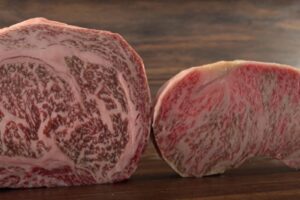
You may have heard of dry-aged beef if you’re a meat lover. But have you tried dry-aged Wagyu? This luxurious beef, known for its exceptional marbling and buttery texture, can take dry-aging to the next level. This blog post will explore why dry-aging Wagyu is good and how to properly dry age it.
Why Dry-Aging Wagyu is Good
Wagyu beef comes from a specific breed of cattle, originally from Japan. It is known for its high-fat content, which results in a rich, buttery flavor and melt-in-your-mouth texture. Dry-aging this beef can intensify its flavor and texture even further.
Dry-aging is a process that involves storing beef in a temperature and humidity-controlled environment for several weeks. During this time, the moisture in the meat evaporates, intensifying the flavor and tenderizing the meat. The process also allows natural enzymes to break down the muscle fibers, resulting in a more tender texture.
Dry-aging Wagyu beef can bring out its unique flavor profile and enhance its buttery texture. The process also allows the fat to break down and render, resulting in a more intense flavor.
How to Properly Dry Age Wagyu
Dry-aging is a delicate process that requires precision and attention to detail. Here are the steps to properly dry age Wagyu:
- Purchase quality Wagyu beef: Look for high-quality Wagyu beef with a lot of marbling. The beef should also be fresh and not previously frozen.
- Set up a dry-aging chamber: You’ll need a temperature and humidity-controlled environment to dry age the beef. The ideal temperature is between 34 and 38 degrees Fahrenheit, with a humidity level of around 85%.
- Prepare the beef: Remove any excess fat or silver skin from
- the beef before dry-aging. Leave the beef in the original vacuum-sealed packaging to prevent bacteria from entering the meat.
- Age the beef: Place the beef in the dry-aging chamber and monitor the temperature and humidity levels. The beef should be aged for at least 21 days but can be aged up to 60 days for a more intense flavor.
- Trim and portion the beef: Once the beef is aged, remove the outer layer and any excess fat. Cut the beef into portions and cook as desired.
Dry-aged wagyu can take your meat-eating experience to the next level. With its exceptional flavor and texture, dry aging can intensify its qualities and make it even more delicious. Just be sure to follow the proper steps to ensure a safe and successful dry-aging process.